
 Store
Pipasha Healthcare · 18 Nov 2026
Herbal products: what the manufacturer needs from the brand
Identity, form and pack decide whether a herbal brief can be manufactured. Health claims do not.
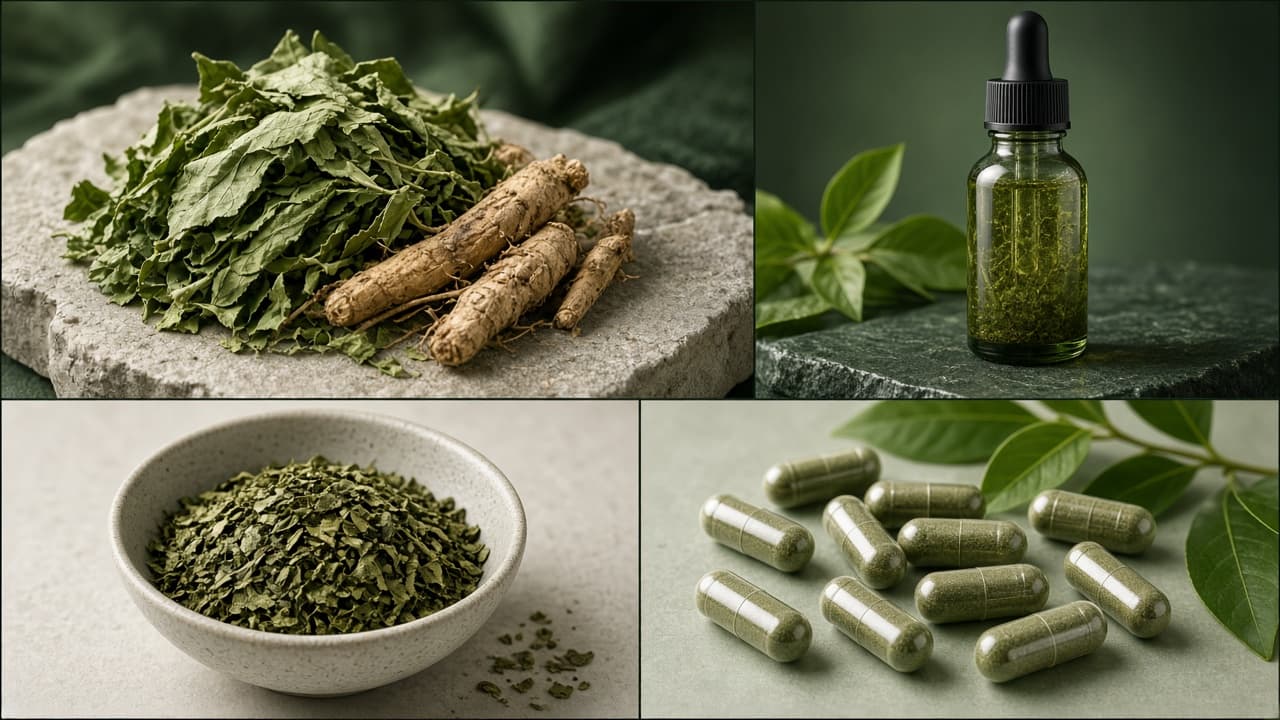
Herbal products fail in production for ordinary reasons: the plant part is not specified, the extract ratio is missing, the powder will not flow, or the pack reacts with the oil. None of those problems are solved by a stronger marketing line.
Write the ingredient as a buyer would purchase it. Name the plant, the part used, the form (powder, extract, oil) and the strength you intend to put in one unit. If two suppliers use the same common name for different materials, the common name is not enough.
Match the form to the pack. A dry tea blend wants a barrier that respects aroma. An oil wants a bottle and a closure that do not leak or fade the product. A capsule wants a fill weight the shell can actually hold.
Tell the manufacturing partner how the product will be described on the label: herbal food, cosmetic, traditional product or another category that fits your market. That choice changes the documents and, often, the site that is allowed to make it. Do not leave the category blank and decide it after the labels are printed.
A useful quotation names the batch size, the pack, the component source and the tests agreed for release. Keep the health story out of the manufacturing specification. The specification is there so the next batch can match the first one.
This note is general education for business readers. It is not regulatory, legal or medical advice.
Manufacturing information for business customers. Not medical advice. Not a claim that any product diagnoses, treats, cures or prevents disease.